
Maximize Your CLV Strategy
Customer Lifetime Value (CLV) represents the total revenue a business can expect from a single customer throughout their entire relationship with your brand. Rather than focusing solely on individual transactions, CLV encourages businesses to think strategically about long-term customer relationships and profitability. The power of CLV lies in understanding that acquiring a new customer costs five to seven times more than retaining an existing one, making retention strategies significantly more cost-effective for sustainable growth. By maximizing CLV, you shift your focus from short-term conversions to building loyal, high-value customer relationships that generate consistent revenue over time.
Understanding the CLV Formula
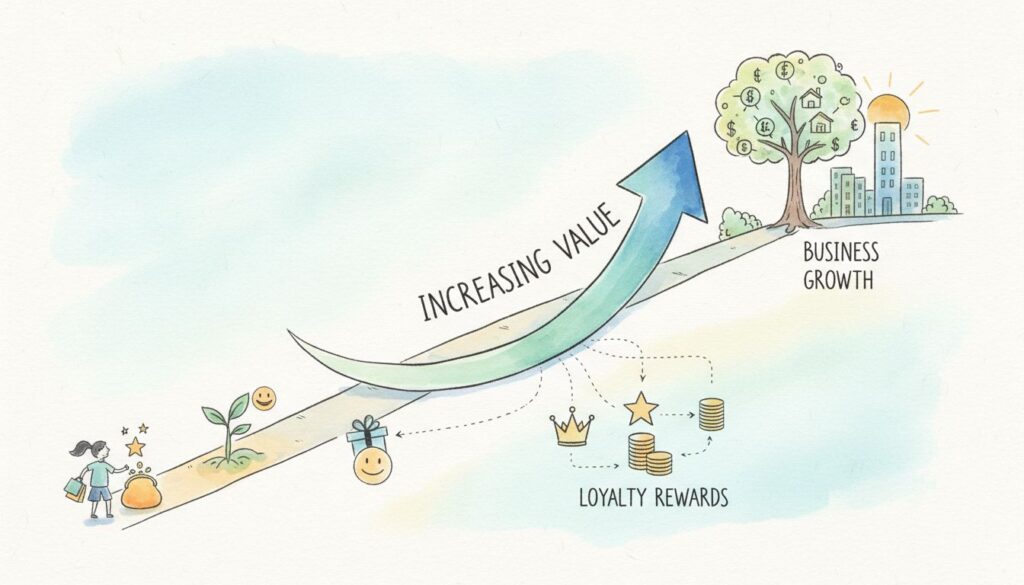
Customer Lifetime Value is calculated using a straightforward formula that combines three essential metrics: Average Order Value (AOV), Purchase Frequency, and Customer Lifespan. The formula is: CLV = (Average Order Value) × (Purchase Frequency) × (Customer Lifespan). To illustrate, if a customer spends $50 per order, makes four purchases per year, and remains loyal for five years, their CLV would equal $50 × 4 × 5 = $1,000. This means that single customer generates $1,000 in potential revenue over their lifetime with your business. When you multiply this across thousands of customers, CLV becomes a powerful growth lever that can dramatically impact your bottom line. Understanding this metric allows you to identify which customers are most valuable and where to allocate your resources most effectively.
| Metric | Definition | Example |
|---|---|---|
| Average Order Value | Mean revenue per transaction | $50 |
| Purchase Frequency | Number of purchases per year | 4 times |
| Customer Lifespan | Years customer remains active | 5 years |
| Total CLV | Complete lifetime revenue | $1,000 |
Three Core Pillars to Boost CLV
1. Increase Purchase Frequency
Keeping customers engaged ensures they return to your business rather than choosing competitors. Proactive support is critical—reach out to customers to anticipate their needs and offer help before issues escalate into churn. When customers feel valued and supported, they’re more likely to make repeat purchases. Implementing strategic follow-ups after purchases, offering personalized product recommendations, and creating seamless repurchase experiences all contribute to higher purchase frequency. Loyalty and rewards programs are equally important, rewarding repeat customers with exclusive perks, discounts, or member benefits that incentivize continued engagement. Seek consistent feedback from both loyal and departing customers to identify friction points and improve their overall experience. Regular communication through email, SMS, or in-app notifications keeps your brand top-of-mind and encourages customers to return more frequently.
2. Boost Average Order Value
Encouraging customers to spend more during each transaction directly impacts their lifetime value. Upselling and cross-selling strategies are highly effective—analyze customer data to offer relevant product upgrades or complementary items at the point of sale. When customers see products that genuinely complement their purchase, they’re more likely to increase their spending. Value stacking and bundling strategies package complementary services or products together at an attractive price, allowing customers to get more value from a single transaction. Rather than pushing unnecessary products, focus on understanding customer needs and recommending solutions that enhance their overall experience. Personalized product recommendations based on browsing history, purchase patterns, and preferences can significantly increase average order value without feeling intrusive or aggressive.
3. Extend Customer Lifespan
Using customer data effectively allows you to market the right products to the right people at the right time. Targeted communication through personalized emails based on past purchase history and seasonal reminders for recurring services keeps customers engaged throughout their lifecycle. Software integration that centralizes your customer data enables you to track usage and adoption rates, allowing you to intervene with targeted campaigns for at-risk accounts before they churn. By understanding customer behavior patterns and identifying early warning signs of dissatisfaction, you can proactively address concerns and retain valuable customers. Consistent, relevant communication demonstrates that you understand your customers’ needs and value their business, which strengthens loyalty and extends their relationship with your brand.
The Critical Role of Data Unification
Getting rid of customer data silos is your essential first step. To truly understand and increase your CLV, you need to understand your customers on an individual level, which requires bringing all customer data together in a single source of truth. Having customer data scattered across multiple platforms in different silos makes it impossible to create a consistent experience for customers. You need access to each customer’s complete data profile to deliver personalized experiences at every touchpoint. Unified customer data enables you to see the complete customer journey, identify patterns and preferences, and make informed decisions about how to increase their lifetime value. Platforms like Bloomreach excel at consolidating customer data across all channels, providing a single customer view that powers more effective personalization and retention strategies.
Proven Retention Strategies for Maximum CLV
Personalized Onboarding
Customers who activate in the first week retain at 2-3x higher rates than those who don’t. This makes the onboarding experience critical for long-term CLV growth. A personalized onboarding process that guides new customers through your product or service, highlights key features relevant to their needs, and establishes quick wins builds confidence and engagement from day one. When customers experience immediate value, they’re more likely to invest time in your brand and continue their relationship. Effective onboarding includes personalized welcome communications, guided product tours, and proactive support to help customers achieve their goals quickly.
Proactive Churn Prevention
Use behavioral signals to identify churn risk before customers leave. Rather than reacting to customers who’ve already churned, analyze engagement patterns, purchase frequency changes, and support interactions to spot warning signs early. When you identify at-risk customers, reach out with targeted interventions—whether that’s personalized offers, dedicated support, or product recommendations that address their specific pain points. This proactive approach allows you to save relationships before they’re lost, directly protecting your CLV.
Expansion Revenue Strategies
Expansion revenue increases CLV without raising acquisition costs. Once you’ve acquired a customer, focus on growing their value through upsells, cross-sells, and premium tier upgrades. These expansion opportunities generate additional revenue from existing customers who already trust your brand and understand your value proposition. This is significantly more cost-effective than acquiring new customers and directly increases your CLV.
Loyalty Programs That Reward Behavior
Implement loyalty programs that reward repeat purchases and engagement. Rather than generic discounts, create programs that recognize customer behavior and provide meaningful rewards that encourage continued loyalty. Tiered loyalty programs that offer increasing benefits as customers spend more create incentive structures that naturally increase both purchase frequency and average order value.
Customer Feedback Loops
Establish continuous feedback mechanisms to understand customer needs and pain points. Regular surveys, reviews, and direct communication channels show customers that you value their input and are committed to improving their experience. Use this feedback to make meaningful improvements that enhance satisfaction and retention.
Why CLV Matters More Than Ever
A 5% increase in customer retention can increase profits by 25% to 95%, depending on your industry. This powerful statistic, validated repeatedly since Bain & Company first published it, demonstrates why CLV should be central to your business strategy. Most growth teams spend 80% of their budget on acquisition and only 20% on retention, yet retention is demonstrably more profitable. By shifting focus to maximizing CLV, you’re investing in sustainable, profitable growth that compounds over time. Customers with higher CLV are also more likely to become brand advocates, referring new customers and providing valuable word-of-mouth marketing that further reduces your acquisition costs.
Measuring and Monitoring CLV
Measure retention’s CLV impact with cohort analysis, not averages. Cohort analysis groups customers by acquisition date or characteristics and tracks their behavior over time, providing more accurate insights than simple averages. This approach reveals which customer segments have the highest CLV and which retention strategies are most effective for different groups. Use this data to refine your approach and allocate resources toward the strategies and customer segments that generate the best return on investment.
Ready to Maximize Your Customer Lifetime Value?
Voxwise specializes in helping businesses implement data-driven strategies to increase customer lifetime value. From personalized customer experiences to retention optimization, our expert team can help you unlock the full potential of your customer relationships and drive sustainable revenue growth.
See our services to learn how we can help you maximize CLV through proven strategies and expert guidance.
Get Expert Advice from our team on implementing CLV strategies tailored to your specific business needs.