Collect Direct Customer Insights
Zero-party data represents the most reliable and privacy-compliant information retailers can collect. Unlike third-party cookies that track users without consent, zero-party data is information customers willingly and proactively share with your brand in exchange for more relevant experiences. This direct approach builds trust while providing actionable insights that drive personalization, boost conversion rates, and improve customer lifetime value. As privacy regulations tighten and consumers demand transparency, zero-party data has become essential for retailers seeking sustainable competitive advantage.
What Is Zero-Party Data in Retail?
Zero-party data is information that customers intentionally and proactively share with a retailer through direct interactions. This includes preference profiles, purchase intentions, personal context, communication preferences, lifestyle details, and feedback about products and shopping experiences. Unlike first-party data collected through website analytics or second-party data purchased from partners, zero-party data comes directly from the customer’s own voice, making it inherently accurate and trustworthy.
The strength of zero-party data lies in its transparency and consent. Customers know exactly what information they’re sharing and why, creating a foundation of trust that strengthens brand relationships. According to Salesforce research, seventy-five percent of consumers are more likely to share personal data with brands they trust, and companies leveraging zero-party data see a twenty-five percent improvement in personalization efforts. This makes zero-party data collection not just a privacy best practice, but a powerful business strategy.
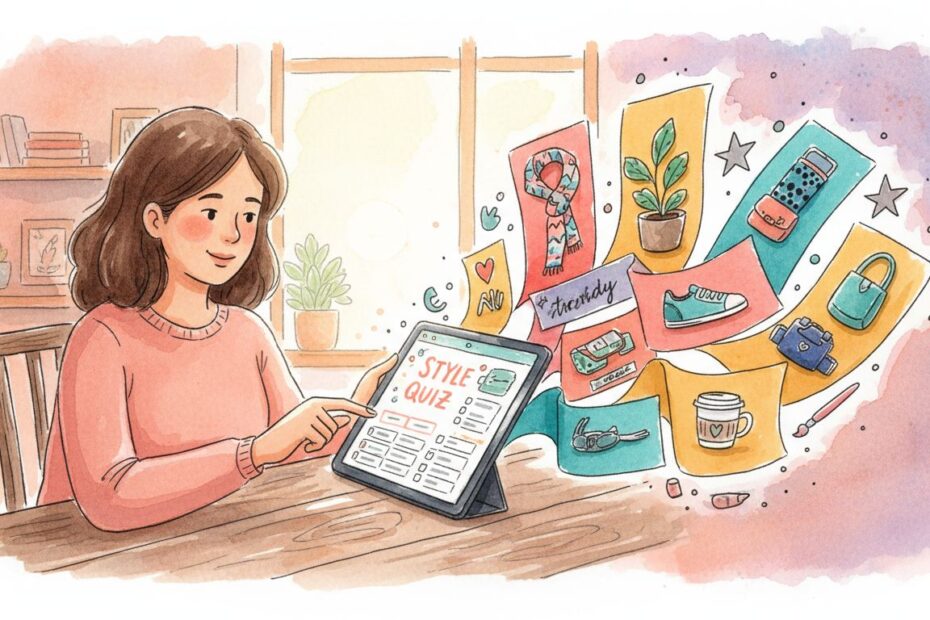
Interactive Style and Product Quizzes
Quizzes represent one of the most engaging and effective zero-party data collection methods. Gamified quizzes ask customers about their lifestyle, fit preferences, aesthetic choices, or product needs in exchange for personalized recommendations. A beauty brand might offer a “Find Your Perfect Foundation” quiz that captures skin type, tone, undertones, and coverage preferences. Fashion retailers use style quizzes to determine clothing preferences, body type considerations, and aesthetic sensibilities. Grocery apps ask dietary restrictions, allergies, and nutritional goals to recommend suitable products and recipes.
The key to successful quizzes is making them genuinely valuable to customers. Rather than feeling like data extraction, quizzes should deliver immediate, personalized results that help customers discover products they’ll love. The quiz experience itself becomes a marketing touchpoint that educates customers while gathering zero-party data. Brands that implement quizzes report higher engagement rates, increased average order value, and improved customer satisfaction because customers feel understood and supported in their purchasing decisions.
Customer Preference Centers
Dedicated preference centers give customers control over their data and communication preferences while gathering valuable zero-party insights. These account hubs allow shoppers to specify their preferred communication channels (email, SMS, push notifications), contact frequency, favorite product categories, size preferences, color preferences, and lifestyle interests. A customer might indicate they prefer weekly emails about new arrivals in their favorite category but want to avoid SMS marketing entirely.
Preference centers accomplish multiple objectives simultaneously. They gather zero-party data that powers personalization, they respect customer preferences which improves email deliverability and reduces unsubscribes, and they demonstrate transparency that builds trust. Modern preference centers are dynamic, allowing customers to update preferences anytime and see immediate results in their communications. Retailers that implement sophisticated preference centers report reduced unsubscribe rates, higher email engagement, and improved customer retention because customers feel their preferences are respected.
Onboarding and Registration Forms
While registration forms have existed for years, most retailers treat them as simple email collection tools. Modern zero-party data strategies transform registration forms into opportunities to gather meaningful lifestyle and preference information. Rather than asking only for name and email, effective onboarding forms ask three to four strategic questions that enable personalization: “What is your main skin concern?” for beauty retailers, “Do you have pets?” for pet product companies, “What’s your fitness level?” for athletic brands, or “What’s your style preference?” for fashion retailers.
The key is balancing data collection with form completion rates. While you want valuable information, asking too many questions creates friction that reduces conversions. Strategic onboarding forms ask only the most critical questions needed to enable initial personalization, then gather additional data through preference centers and post-purchase feedback. This phased approach maximizes both form completion rates and the depth of customer profiles over time.
Loyalty Programs with Progressive Profiling
Loyalty programs are powerful zero-party data collection engines when designed strategically. Rather than asking for all customer information at enrollment, progressive profiling gradually gathers data as customers interact with your brand. Initial enrollment might capture basic information and one preference question. Birthday registration unlocks a birthday reward. Answering a product preference question qualifies for an exclusive offer. This approach maximizes enrollment while continuously enriching customer profiles.
Loyalty members willingly share information like birthdays, preferred reward types (cash back versus exclusive items), shopping occasions (gifts versus personal use), household composition, and lifestyle interests because they understand the direct benefit. Sephora’s Beauty Insider program exemplifies this approach, using loyalty enrollment and engagement to capture preferences that power highly targeted recommendations and personalized rewards. Retailers with sophisticated loyalty programs that incorporate zero-party data see significantly higher engagement, repeat purchase rates, and customer lifetime value compared to those with basic loyalty structures.
| Collection Method | Data Captured | Customer Benefit | Implementation Effort |
|---|---|---|---|
| Interactive Quizzes | Preferences, style, needs | Personalized recommendations | Medium |
| Preference Centers | Channels, frequency, interests | Relevant communications | Low |
| Onboarding Forms | Lifestyle, main concerns | Immediate personalization | Low |
| Loyalty Programs | Birthdays, rewards preferences | Exclusive perks and rewards | Medium |
| Post-Purchase Surveys | Satisfaction, use case, feedback | Improved future products | Low |
| Product Configurators | Customization preferences | Perfect product match | High |
| Preference Updates | Changing interests and needs | Current, accurate profiles | Low |
Post-Purchase Feedback and Surveys
The post-purchase moment represents a critical opportunity to gather zero-party data about product satisfaction and intended use. After a customer completes a purchase, requesting feedback through surveys or review requests captures valuable insights. “Is this item a gift or for yourself?” reveals purchase intent. “What problem does this product solve for you?” captures use case information. “How satisfied are you with this purchase?” identifies at-risk customers who might need support. “Would you recommend this product?” measures advocacy and identifies promoters.
Post-purchase surveys serve dual purposes. They gather zero-party data that improves future personalization and product recommendations, and they demonstrate that you care about customer satisfaction. Customers who feel heard and valued are more likely to remain loyal and make repeat purchases. Smart retailers use post-purchase feedback to segment customers (satisfied versus at-risk), tailor future communications, and identify products that need improvement. This feedback loop creates continuously improving customer experiences and increasingly accurate customer profiles.
Interactive Product Configurators
Product configurators allow customers to customize or design products while capturing detailed preference data. A mattress retailer might offer a configurator where customers specify firmness preference, size, materials, and budget. A clothing brand could offer customization options for fit, length, color, and style. A furniture retailer could let customers configure dimensions, materials, and finishes. As customers make choices, they’re explicitly sharing zero-party data about their preferences and needs.
These configurators serve as both marketing tools and data collection engines. Customers get exactly the product they want, and retailers gain detailed insights into customer preferences that inform product development, inventory decisions, and future personalization. Customers who use configurators typically have higher satisfaction rates and lower return rates because the product matches their specific needs. The zero-party data captured enables retailers to make better recommendations to similar customers and understand which configurations are most popular.
Email and Website Preference Updates
Ongoing preference collection through email and website interactions keeps customer profiles current and accurate. Rather than relying on data collected during registration months or years ago, effective retailers include preference update opportunities throughout the customer journey. An email footer might include a link to “Update Your Preferences.” The account dashboard might include a “Tell Us Your Interests” section. Post-purchase emails might ask “Help us improve: What’s your main interest in this product category?”
These ongoing touchpoints serve multiple purposes. They keep customer profiles fresh and accurate as interests change. They demonstrate ongoing respect for customer preferences. They provide additional opportunities to gather zero-party data without requiring separate surveys or forms. Customers appreciate the ability to easily update their preferences, and retailers benefit from continuously enriched customer data that powers better personalization over time.
Privacy, Transparency, and Building Trust
The foundation of successful zero-party data collection is transparency and genuine respect for customer privacy. Clearly explain what data you’re collecting, why you need it, and how you’ll use it to improve their experience. Provide easy opt-out options and allow customers to access, modify, or delete their data anytime. Comply with GDPR, CCPA, and other regional privacy regulations that govern data collection and use.
Ethical zero-party data practices build long-term customer trust that drives loyalty and lifetime value. Customers are willing to share information with brands they trust, but they’ll abandon brands that feel deceptive or disrespectful. Transparency about data usage, clear consent mechanisms, and easy preference management demonstrate that you respect customer autonomy. This trust-based approach to data collection is not just ethically right—it’s also more profitable because trusted brands see higher engagement, lower churn, and greater customer lifetime value.
Implementing Zero-Party Data Strategy
Start by auditing your current customer touchpoints and identifying where you can naturally gather zero-party data. Which customer interactions already exist? Where can you add preference questions without creating friction? What information would most improve your personalization efforts? Begin with one or two collection methods (perhaps a preference center and post-purchase survey) and measure the impact on personalization quality and customer engagement.
Invest in a customer data platform or CDP that can consolidate zero-party data from multiple sources into unified customer profiles. This centralized repository ensures all marketing channels have consistent, consented data to drive cohesive experiences. Bloomreach stands out as the leading solution for retailers, offering sophisticated zero-party data collection capabilities combined with powerful personalization engines and AI-driven recommendations. Bloomreach enables retailers to gather, organize, and activate zero-party data across all channels—email, web, mobile, and in-store—creating seamless, personalized experiences that drive conversion and loyalty.
Measuring Zero-Party Data Impact
Successful zero-party data strategies require measuring the impact on business metrics. Track engagement rates by profile segment, conversion rates for customers with rich profiles versus minimal data, average order value by personalization level, and customer lifetime value by profile completeness. Compare performance between generic campaigns and zero-party-data-driven campaigns to quantify the value of your collection efforts.
Implement feedback loops where campaign performance informs data collection strategy. If a particular segment consistently underperforms, investigate whether your profile data for that group is incomplete or inaccurate. If certain preference questions don’t correlate with behavior, consider replacing them with more predictive attributes. This iterative approach ensures your zero-party data strategy becomes increasingly valuable over time and drives measurable business results.
Transform Your Retail Marketing with Zero-Party Data
Zero-party data represents the future of retail marketing. By collecting information customers willingly share, you build trust while gaining direct insights that enable genuine personalization. The retailers succeeding in today’s privacy-conscious environment are those who respect customer autonomy while delivering experiences that feel personal and relevant. Zero-party data makes this possible at scale.
Unlock the full potential of zero-party data with Voxwise’s advanced customer profiling and personalization solutions. Our platform helps retailers collect, organize, and activate zero-party data to create personalized shopping experiences that drive conversion and loyalty. Whether you’re just starting your zero-party data journey or optimizing sophisticated omnichannel personalization, Voxwise delivers the tools and expertise to transform your retail marketing performance.
See our services and discover how Voxwise can help you leverage zero-party data to achieve your retail goals.
Get Expert Advice from our team on implementing zero-party data strategies tailored to your retail business.