
Predictive Customer Segmentation
Most retail and e-commerce brands still make marketing decisions based on what customers have already done. They react to past behavior, past purchases, and past engagement patterns. But what if you could predict what customers are likely to do next? That’s what predictive customer segmentation does. It uses historical customer data, machine learning, and statistical models to group customers based on their predicted future behavior—not just their past actions.
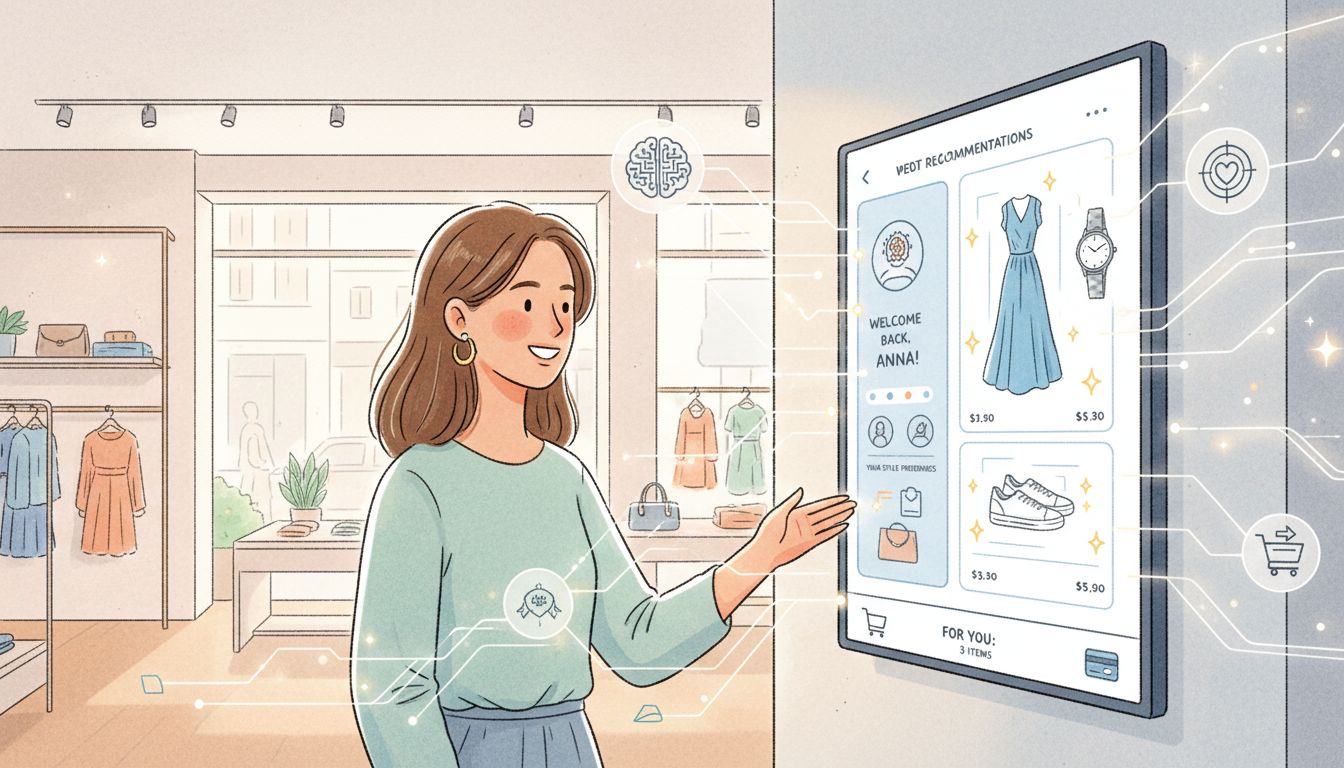
This shift from reactive to proactive marketing fundamentally changes how brands approach retention, personalization, customer lifetime value, and campaign ROI. Instead of waiting for a customer to churn, you can identify them before they leave and launch a retention campaign. Instead of sending generic offers to everyone, you can prioritize customers most likely to buy. Instead of treating all customers the same, you can invest more in customers predicted to become high-value buyers.
What Is Predictive Customer Segmentation?
Predictive customer segmentation is a method of grouping customers based on their likely future behavior, predicted using historical data and machine learning models. Unlike traditional segmentation, which groups customers by who they are (demographics) or what they’ve already done (purchase history), predictive segmentation answers the question: “What is this customer likely to do next?” It uses advanced statistical models and artificial intelligence to analyze patterns in customer behavior and forecast future actions with measurable probability scores.
Predictive segmentation relies on multiple data sources: purchase history, transaction data, browsing behavior, email engagement, SMS engagement, website and app activity, loyalty program data, customer support interactions, returns and refunds, campaign response history, and customer lifecycle stage.
These data points are fed into machine learning algorithms that identify hidden patterns and correlations. The algorithms then score each customer on the probability of specific future behaviors—such as likelihood to purchase, likelihood to churn, predicted customer lifetime value, likelihood to respond to a specific offer, or propensity to replenish a product. Customers are then grouped into predictive segments based on these scores.
The core value of predictive segmentation is actionability. A prediction is only valuable if it leads to a specific marketing action. This is where most brands fail: they build predictive models but never activate the predictions in their CRM, email campaigns, SMS programs, personalization engines, or customer engagement platforms. The real business impact comes when predictions drive real-time campaign decisions, personalization, lifecycle flows, and customer engagement strategies.
Why Predictive Customer Segmentation Matters
Traditional segmentation is reactive. You identify a customer who has churned, then you launch a win-back campaign. You notice a customer hasn’t purchased in three months, then you send a reactivation offer. You see that a customer bought a specific product, then you recommend complementary items. But by then, the opportunity may already be lost. The customer has already made the decision to leave. The moment to intervene has passed.
Predictive segmentation changes this dynamic. It allows you to act before the customer behavior happens. You identify a customer at high risk of churning while they’re still active, and you launch a proactive retention campaign.
You spot a customer with high purchase propensity before they’ve decided to buy, and you send them a timely recommendation. You recognize a customer likely to become a high-value buyer early in their lifecycle, and you invest in nurturing that relationship. This shift from reactive to proactive is where predictive segmentation delivers measurable business value.
The business benefits of predictive segmentation are significant: improved customer retention by identifying at-risk customers before they leave, reduced churn through proactive win-back and loyalty campaigns, increased customer lifetime value by investing in customers with higher future value potential, better personalization based on predicted future intent rather than past behavior, more relevant offers that match predicted customer needs and propensity, smarter discounting by identifying customers likely to buy without discounts, improved campaign ROI by targeting customers most likely to convert, better marketing budget allocation by prioritizing high-value segments, and more efficient customer engagement by using the right message, offer, and timing for each customer’s predicted future behavior.
For retail and e-commerce brands, these benefits directly impact the bottom line. A 10% improvement in retention can increase customer lifetime value by 25-100% depending on the business model. Reducing unnecessary discounts by 15% can improve margins by 5-10%. Identifying future high-value customers early and nurturing them appropriately can increase their lifetime value by 50% or more. These aren’t theoretical benefits—they’re measurable outcomes that drive revenue growth.
Predictive Segmentation vs. Traditional Segmentation
The difference between predictive and traditional segmentation is fundamental: one looks backward, one looks forward.
Traditional segmentation groups customers based on existing attributes or past behavior. This includes demographic segmentation (age, gender, location, income), geographic segmentation (region, country, city), behavioral segmentation (purchase history, browsing behavior, engagement patterns), and RFM segmentation (recency, frequency, monetary value). Traditional segmentation is useful and widely practiced. It provides clarity about who your customers are and what they’ve already done. But it’s inherently reactive. You segment based on what has already happened, then you design campaigns based on those historical patterns.
Predictive segmentation uses data and machine learning models to estimate future behavior. Instead of asking “What did this customer do?”, it asks “What is this customer likely to do?” A predictive segment might be “Customers with 85% probability of purchasing in the next 30 days” or “Customers with high risk of churning in the next 60 days” or “Customers predicted to generate $5,000+ lifetime value.” These predictions are forward-looking. They help you anticipate customer behavior and act before it happens.
Here’s a practical comparison:
| Dimension | Traditional Segmentation | Predictive Segmentation |
|---|---|---|
| Basis | Past behavior, demographics, attributes | Future behavior, predicted probability |
| Data | Historical data, static attributes | Historical + behavioral data, real-time signals |
| Time horizon | What already happened | What is likely to happen |
| Actionability | Reactive campaigns based on past patterns | Proactive campaigns based on predicted future |
| Examples | “Customers who bought in Q3”, “Customers aged 25-34”, “High-frequency buyers” | “Customers 80% likely to churn”, “Customers 70% likely to buy”, “Predicted $10k+ lifetime value” |
| Campaign timing | After behavior occurs | Before behavior occurs |
| Personalization | Based on past preferences | Based on predicted future intent |
| Update frequency | Monthly or quarterly | Real-time or daily |
The key insight: Traditional segmentation explains what already happened. Predictive segmentation helps you estimate what is likely to happen next. Both have value, but predictive segmentation enables more proactive, timely, and effective marketing.
How Predictive Customer Segmentation Works
Predictive customer segmentation follows a structured process that combines data, modeling, and activation. Here’s how it works in practice:
Step 1: Collect customer data. The foundation of predictive segmentation is clean, complete customer data. You need transaction history (dates, order values, products purchased), behavioral data (browsing history, email opens/clicks, SMS engagement, website activity), engagement data (loyalty program activity, customer support interactions, campaign responses), and demographic or contextual data (location, device type, customer lifecycle stage). The more complete and accurate your data, the more reliable your predictions will be.
Step 2: Unify data from different sources. Most brands collect customer data across multiple systems: e-commerce platforms, CRM systems, email marketing platforms, loyalty programs, analytics tools, and customer support systems. Predictive segmentation requires connecting these data sources so you have a unified view of each customer. This is where a customer data platform (CDP) or integrated CRM becomes essential. Data unification is often the biggest technical challenge in implementing predictive segmentation.
Step 3: Identify your business goal. What do you want to predict? The business goal shapes everything: which data is most relevant, which models you’ll use, and how you’ll activate the predictions. Common goals include reducing churn, increasing repeat purchases, identifying high-value customers, improving campaign response rates, optimizing discount allocation, or increasing customer lifetime value. Be specific about your goal. “Reduce churn” is too vague. “Identify customers with >70% probability of becoming inactive in the next 60 days” is specific and actionable.
Step 4: Train or apply predictive models. This is where machine learning comes in. Predictive models analyze historical data to identify patterns and relationships that predict future behavior. Common models include logistic regression (for binary outcomes like “will churn” or “won’t churn”), random forests (for complex, non-linear relationships), gradient boosting (for high-accuracy predictions), clustering algorithms (to group similar customers), and survival analysis (to predict time until an event like churn).
You can build custom models using tools like Python (scikit-learn, TensorFlow) or use pre-built models from customer engagement platforms like Bloomreach. The model is trained on historical data where you know the actual outcome (e.g., customers who actually churned), then applied to current customers to predict their future behavior.
Step 5: Score customers based on predicted behavior. Once the model is trained, it scores every customer on the probability of the predicted outcome. For example, a churn model might score customers on a scale of 0-100, where 100 means “almost certain to churn” and 0 means “very unlikely to churn.” These scores are continuously updated as new customer behavior data is collected. A customer’s score might change based on their recent purchase, email engagement, or support interaction.
Step 6: Group customers into predictive segments. Customers are assigned to segments based on their scores and your business thresholds. For example, you might define three churn risk segments: “High risk” (score 70-100), “Medium risk” (score 40-69), “Low risk” (score 0-39). Or you might create a segment of “Customers with 80%+ probability of purchasing in the next 30 days.” The segment definitions should be driven by your business goals and your ability to take action on each segment.
Step 7: Activate segments in campaigns and personalization. This is where predictions become valuable. You connect predictive segments to real marketing actions: automated win-back campaigns for high-churn-risk customers, personalized product recommendations for high-purchase-propensity customers, VIP nurture journeys for customers predicted to become high-value, loyalty reminders for at-risk loyal customers, or suppression rules to avoid sending irrelevant messages. Activation happens through your CRM, email platform, SMS platform, loyalty program, website personalization engine, and paid advertising platforms. Without activation, predictions are just data.
Step 8: Measure performance and improve over time. Track the business outcomes of your predictive segments: retention rate, repeat purchase rate, conversion rate, customer lifetime value, campaign revenue, and marketing ROI. Compare results between segments and between predictive campaigns and control groups. Use these results to refine your models, adjust your segment definitions, and improve your campaign strategies. Predictive segmentation is not a one-time project—it’s an ongoing process of learning and optimization.
The entire process requires coordination between data teams, marketing teams, and technology teams. But the investment pays off through measurable improvements in retention, personalization, and revenue growth.
What Data Is Needed for Predictive Segmentation?
Predictive segmentation depends entirely on the quality and completeness of your customer data. Here are the essential and recommended data points:
Essential data:
- Customer ID – A unique identifier for each customer
- Purchase history – Dates and values of all transactions
- Product information – Categories, types, and attributes of products purchased
- Engagement data – Email opens/clicks, SMS engagement, website activity
Highly recommended data:
- Recency – Days since last purchase or engagement
- Frequency – Number of purchases or interactions in a defined period
- Monetary value – Total spending, average order value, or lifetime value
- Browsing behavior – Products viewed, time on site, pages visited
- Email engagement – Opens, clicks, conversions by campaign
- SMS engagement – Delivery, opens, clicks, conversions
- Loyalty program data – Tier status, points earned/redeemed, membership length
- Customer support interactions – Inquiries, complaints, satisfaction scores
- Returns and refunds – Return rate, reason for return
- Campaign response – Which campaigns the customer has responded to
- Customer lifecycle stage – New, active, at-risk, dormant
- Device and channel – Mobile/desktop, email/SMS/web preference
- Geographic location – For regional or local targeting
Optional but valuable:
- Demographic data – Age, gender, income (if available)
- Psychographic data – Interests, values, lifestyle signals
- Competitive data – Competitor purchases or engagement (if available)
- Seasonal patterns – Purchase timing, seasonal preferences
The key principle: Predictive segmentation is only as strong as the underlying data. Poor data quality, incomplete data, or disconnected data sources will produce unreliable predictions. Before you invest in predictive models, invest in data quality. Ensure your data is clean, complete, consistent, and unified across all systems.
Common Predictive Customer Segments
Most retail and e-commerce brands benefit from focusing on a few high-impact predictive segments. Here are the most valuable ones:
Customers Likely to Churn
What it means: These are customers predicted to become inactive, stop purchasing, or leave your brand within a defined timeframe (typically 30-90 days). A churn prediction model analyzes historical data from customers who actually churned, identifies the patterns and behaviors that preceded their departure, and applies those patterns to current customers to predict who is at risk.
Why it matters: Churn is one of the most damaging business outcomes. A customer who churns stops generating revenue and may never return. But many at-risk customers can be saved with the right intervention at the right time. Identifying them before they churn allows you to launch proactive retention campaigns, personalized offers, loyalty reminders, or customer support outreach.
What data is needed: Recent purchase behavior (declining frequency or increasing gaps between purchases), engagement metrics (declining email opens/clicks, reduced website visits), customer support interactions (complaints or inquiries), returns or refunds, and historical churn patterns (what did customers who actually churned look like before they left?).
How to activate:
- Win-back campaigns – Send a personalized email or SMS offering a special incentive to return
- Loyalty reminders – Highlight loyalty program benefits, points balance, or exclusive member rewards
- Replenishment reminders – If applicable, remind them it’s time to reorder
- Feedback requests – Ask for feedback about their experience and what could improve
- Customer support outreach – Have a team member reach out directly to high-value at-risk customers
- Exclusive offers – Offer a personalized discount or gift to give them a reason to engage
Customers Likely to Buy
What it means: These are customers with high purchase propensity—they are predicted to make a purchase in the near future (typically 7-30 days) based on their recent behavior, browsing patterns, engagement signals, and historical purchase patterns. A purchase propensity model identifies the behavioral signals that precede a purchase and scores customers on the likelihood of buying soon.
Why it matters: These customers are ready to buy or close to ready. They don’t necessarily need a heavy discount—they may just need the right product recommendation, a timely reminder, or a small incentive to complete the purchase. Targeting high-propensity customers is one of the most efficient ways to drive revenue because conversion rates are much higher than average.
What data is needed: Recent browsing behavior (products viewed, time on site), email engagement (opens, clicks, cart abandonment), abandoned cart data, purchase frequency patterns, seasonal purchase timing, and product affinity data.
How to activate:
- Product recommendations – Send personalized recommendations for products they’re likely to buy based on browsing or purchase history
- Abandoned cart recovery – If they’ve abandoned a cart, send a reminder with the products and a small incentive
- SMS reminder – Send a timely SMS with a limited-time offer or product reminder
- Onsite personalization – Show personalized product recommendations, offers, or banners on your website
- Next-best offer – Recommend the product or offer most likely to drive a purchase for this specific customer
- Limited-time reminder – Create urgency with a time-limited offer or flash sale notification
Customers Likely to Become High Value
What it means: These are customers predicted to generate higher future revenue or customer lifetime value (CLV) than average. A CLV prediction model analyzes customer attributes, purchase patterns, engagement, and historical data to estimate the total revenue a customer is likely to generate over their lifetime with your brand. Customers with high predicted CLV are identified as candidates for premium treatment and investment.
Why it matters: Not all customers have equal value. Some customers are predicted to generate $500 in lifetime value, while others are predicted to generate $5,000 or more. Identifying high-CLV customers early allows you to invest more in their experience, retention, and satisfaction. The return on that investment is justified by their higher lifetime value. These customers deserve VIP treatment, personalized attention, and premium offers.
What data is needed: Initial purchase value and frequency, product category preferences, engagement level, loyalty program participation, customer support interactions, average order value, and historical CLV data from similar customers.
How to activate:
- VIP nurture journeys – Design premium, high-touch lifecycle flows with personalized communication and exclusive benefits
- Loyalty program invitation – Invite them to join your loyalty program or premium tier with higher rewards
- Premium product recommendations – Recommend high-margin, premium products aligned with their preferences
- Early access campaigns – Give them early access to new products, collections, or sales
- Exclusive offers – Offer personalized, high-value deals designed to delight and retain them
- Personal service – For very high-value customers, offer personal styling, consultation, or concierge service
Customers Likely to Respond to a Campaign
What it means: These are customers predicted to engage with a specific message, offer, channel, or campaign type. Rather than predicting a general behavior like purchase or churn, this model predicts the likelihood of responding to a specific marketing action. For example, a customer might be unlikely to respond to a discount offer but likely to respond to an exclusive early-access offer. Another customer might be more likely to engage via email than SMS.
Why it matters: Not every customer responds to the same message or offer. Some customers are motivated by discounts, others by exclusivity. Some prefer email, others prefer SMS or push notifications. Predicting which customers are likely to respond to specific campaigns or channels improves campaign efficiency, reduces message fatigue, and increases conversion rates. It also helps you avoid wasting budget on audiences unlikely to respond.
What data is needed: Historical campaign response data (which campaigns did this customer respond to?), channel preferences (email vs. SMS engagement rates), offer preferences (discount vs. exclusive access), engagement patterns by message type, and demographic or behavioral attributes that correlate with campaign response.
How to activate:
- Campaign audience prioritization – Prioritize high-propensity audiences in your campaign targeting
- Channel-specific messaging – Send email to customers more likely to engage via email, SMS to SMS-preferring customers
- Personalized offer selection – Choose the offer type most likely to resonate with each customer
- Send-time optimization – Send messages at the time each customer is most likely to engage
- Frequency control – Reduce message frequency for customers unlikely to respond to avoid unsubscribes
- Suppression rules – Suppress low-propensity audiences to avoid wasting budget
Customers at Risk of Discount Dependency
What it means: These are customers predicted to buy only when discounts are offered. A discount dependency model identifies customers who have a history of purchasing primarily during promotional periods and avoiding full-price purchases. These customers may have high transaction frequency but low profitability due to constant discounting.
Why it matters: Discounts are a powerful tool for driving short-term revenue, but they can train customers to expect discounts and erode margins over time. Identifying discount-dependent customers helps you protect margins, test alternative incentives, and avoid unnecessary discounting. It also helps you understand which customers have genuine price sensitivity versus which are simply waiting for deals.
What data is needed: Purchase history with and without discounts, average order value with/without discounts, purchase frequency during promotional vs. non-promotional periods, email engagement with discount vs. non-discount offers, and historical margin data by customer.
How to activate:
- Controlled discounting – Limit discounts to specific customers and occasions to reduce dependency
- Value-based messaging – Emphasize product quality, exclusivity, and value rather than price
- Loyalty perks instead of discounts – Offer loyalty points, exclusive access, or free shipping instead of discounts
- Product recommendation campaigns – Recommend products that provide value without requiring discounts
- Offer testing – Test non-discount incentives (free shipping, gift with purchase, loyalty points) to see what works
- Premium positioning – Shift messaging toward premium benefits rather than price
Customers Likely to Replenish
What it means: These are customers predicted to need a repeat purchase of a product they’ve already bought, based on typical product usage cycles, historical purchase frequency, or seasonal patterns. For consumable products (beauty, health, groceries) or subscription-based products, replenishment prediction is particularly valuable.
Why it matters: Replenishment is one of the most predictable customer behaviors. If a customer bought shampoo 8 weeks ago and the product typically lasts 8 weeks, they’re likely to need more soon. Sending a timely replenishment reminder increases repeat purchase frequency, improves customer convenience, and reduces the likelihood they’ll switch to a competitor. It also improves customer experience by helping customers remember to reorder.
What data is needed: Product usage cycles (how long does each product typically last?), historical replenishment patterns (how often does this customer reorder?), purchase frequency by product category, seasonal replenishment patterns, and customer lifecycle stage.
How to activate:
- Replenishment reminders – Send a timely email or SMS reminding them it’s time to reorder
- Subscription offer – Offer automatic replenishment via a subscription service with a discount
- Reorder campaign – Send a personalized campaign highlighting the product they previously bought
- Product bundle recommendations – Recommend complementary products to bundle with their replenishment order
- Personalized timing – Send the reminder at the optimal time based on their typical usage cycle
Customers Likely to Prefer a Specific Channel
What it means: These are customers predicted to engage more with a specific channel (email, SMS, push notifications, in-app messaging, onsite personalization) based on their historical engagement patterns and preferences. Rather than sending every message through every channel, you prioritize the channel where each customer is most likely to engage.
Why it matters: Channel preference varies widely among customers. Some customers check email multiple times daily and rarely open SMS. Others are the opposite. Some customers engage more with push notifications, others prefer in-app messaging. Respecting channel preferences improves engagement rates, reduces message fatigue, and improves customer experience. It also reduces the risk of unsubscribes or complaints about message frequency.
What data is needed: Historical engagement by channel (email open rates, SMS click rates, push notification engagement, onsite interaction rates), unsubscribe or complaint data by channel, customer device type (mobile vs. desktop), and stated preferences if available.
How to activate:
- Channel-specific journeys – Design lifecycle flows that prioritize each customer’s preferred channel
- Send-time and channel optimization – Send messages through the channel where the customer is most likely to engage
- Email vs. SMS targeting – Prioritize email for email-engaged customers, SMS for SMS-engaged customers
- Push notification personalization – Send push notifications only to customers who actively engage with them
- Frequency control by channel – Adjust message frequency based on channel preference and engagement
- Onsite personalization – For customers who engage more on your website, use onsite banners and personalization
Predictive Segmentation Use Cases for E-commerce
Here are practical use cases showing how e-commerce brands apply predictive segmentation to solve real business problems:
Use Case 1: Reducing Churn with Proactive Retention Campaigns
Business problem: An online fashion retailer notices that their customer retention rate has declined from 45% to 38% over the past year. They’re losing customers to competitors and want to reduce churn.
Predictive approach: They build a churn prediction model using historical data from customers who actually churned. The model identifies key behavioral signals: declining purchase frequency, longer gaps between purchases, reduced email engagement, and fewer website visits. They score all current customers on churn risk and identify 8,000 customers with high churn probability (score >70).
Campaign action: They launch a multi-touch win-back campaign for the high-churn-risk segment: a personalized email offering 20% off their next purchase, a follow-up SMS after 3 days, and a final email after 7 days highlighting new products they might like. They also enroll high-value at-risk customers in a VIP retention program with exclusive benefits.
Results: The win-back campaign recovers 18% of at-risk customers (1,440 customers), generating $285,000 in incremental revenue. Retention rate improves from 38% to 41%. The model is updated monthly to identify new at-risk customers.
Use Case 2: Increasing Repeat Purchases with Replenishment Predictions
Business problem: A beauty and skincare e-commerce brand wants to increase repeat purchase frequency. Most customers buy once and don’t return. They want to drive second and third purchases.
Predictive approach: They analyze product usage cycles and identify that their most popular skincare products have an average usage cycle of 6-8 weeks. They build a replenishment prediction model that scores customers on the likelihood of needing a reorder based on their purchase date and historical replenishment patterns.
Campaign action: At the optimal replenishment time (typically 6 weeks after purchase), they send a personalized email reminding customers it’s time to reorder, with a link to the product they previously bought. They also offer a subscription option with a 10% discount for automatic replenishment. For high-value customers, they include a gift with purchase offer.
Results: The replenishment campaign increases second purchase rate from 22% to 38%. Subscription adoption reaches 12% of replenishment campaign recipients. Customer lifetime value increases by 35% for customers who receive replenishment campaigns versus control group.
Use Case 3: Improving Upsell and Cross-Sell with Purchase Propensity
Business problem: An e-commerce home goods retailer wants to increase average order value. They have a large email list but struggle with low conversion rates on upsell and cross-sell campaigns.
Predictive approach: They build a purchase propensity model that identifies customers most likely to buy in the next 7-14 days based on recent browsing behavior, email engagement, abandoned cart activity, and historical purchase patterns. They also build a product affinity model to predict which products each customer is most likely to buy.
Campaign action: For high-propensity customers, they send personalized product recommendations combining the product they’re likely to buy with complementary products (upsell/cross-sell). They use dynamic content to show different product combinations to different customers based on their predicted preferences. They also prioritize high-propensity customers for limited-time flash sale campaigns.
Results: Campaign conversion rate increases from 2.1% to 4.8% by targeting high-propensity customers. Average order value increases by 18% through upsell and cross-sell recommendations. Email ROI improves by 45% by focusing budget on high-propensity audiences.
Use Case 4: Identifying and Nurturing Future VIP Customers
Business problem: A luxury e-commerce retailer wants to identify customers with high lifetime value potential early in their relationship and invest in nurturing them toward high-value status.
Predictive approach: They build a CLV prediction model that analyzes initial purchase value, product category preferences, engagement level, and other attributes to predict which new or early-stage customers are likely to become high-value buyers. They identify 2,000 customers with predicted lifetime value >$5,000.
Campaign action: They enroll these predicted-high-value customers in an exclusive VIP nurture program: personalized welcome emails, early access to new collections, exclusive VIP-only discounts, and personal styling consultations. They also assign a dedicated customer success manager for the highest-value prospects.
Results: VIP nurture program customers achieve 2.3x higher lifetime value than control group. They purchase 40% more frequently and spend 60% more per order. The program generates $2.1M in additional revenue from the 2,000 identified customers.
Use Case 5: Improving Paid Advertising ROI with Predictive Audiences
Business problem: An e-commerce retailer spends $50,000/month on paid advertising but struggles with low ROAS (return on ad spend). They want to improve targeting and reduce wasted ad spend.
Predictive approach: They use their purchase propensity and CLV prediction models to identify their most valuable customer segments: high-propensity customers (likely to buy soon) and high-CLV customers (predicted to generate high lifetime value). They create lookalike audiences in their advertising platform based on these predictive segments.
Campaign action: They allocate 60% of advertising budget to lookalike audiences based on high-propensity and high-CLV customers. They reduce spend on broad, general audiences. They also use predictive segments to create dynamic retargeting audiences and frequency caps to avoid ad fatigue.
Results: ROAS improves from 2.8x to 4.2x. Customer acquisition cost decreases by 22%. Overall advertising ROI increases by 50%. They reduce total advertising spend by 15% while maintaining the same revenue level.
Use Case 6: Reducing Unnecessary Discounting and Protecting Margins
Business problem: An e-commerce retailer offers discounts to almost every customer, eroding margins. They want to reduce discounting while maintaining sales volume.
Predictive approach: They build a discount dependency model that identifies customers who are likely to buy only when discounts are offered versus customers who will buy at full price. They also build a discount elasticity model to predict the minimum discount needed (if any) to drive a purchase for each customer.
Campaign action: For discount-dependent customers, they test alternative incentives (loyalty points, free shipping, gift with purchase) instead of price discounts. For price-sensitive customers, they offer smaller discounts (10% instead of 20%). For non-price-sensitive customers, they offer full-price promotions with value-add incentives. They also test non-discount messaging emphasizing quality and exclusivity.
Results: Average discount depth decreases from 18% to 14%, improving margins by 4 percentage points. Sales volume remains stable. Gross margin increases by $180,000 annually. Customer perception of brand value improves.
Predictive Segmentation and Personalization
Predictive segmentation is a foundation for advanced personalization. When you understand each customer’s predicted future behavior, you can personalize nearly every aspect of their experience: product recommendations, email subject lines, offer types, messaging tone, channel selection, send timing, and campaign frequency.
Product personalization: Instead of showing the same products to everyone, you show each customer products they’re predicted to buy. A customer predicted to have high purchase propensity for athletic wear sees athletic wear recommendations. A customer predicted to replenish skincare products sees skincare recommendations. Conversion rates improve because recommendations are relevant to predicted intent.
Offer personalization: Different customers respond to different offers. A customer predicted to be discount-dependent sees loyalty points or free shipping offers instead of discounts. A customer predicted to respond to exclusivity sees early-access or VIP offers. A customer predicted to be price-insensitive sees premium bundles or high-margin products. Personalized offers improve conversion rates and protect margins.
Message personalization: The tone, urgency, and messaging of your communications should match the customer’s predicted behavior. A customer at high risk of churning receives an urgent, value-focused retention message. A customer with high purchase propensity receives a timely, product-focused recommendation. A customer predicted to become high-value receives premium, exclusive messaging. Message personalization improves engagement and relevance.
Channel personalization: You send messages through the channel where each customer is most likely to engage. A customer who engages primarily with email receives email campaigns. A customer who engages primarily with SMS receives SMS messages. A customer who engages more on your website receives onsite personalization. Channel personalization improves engagement and reduces message fatigue.
Timing personalization: Send-time optimization uses predictive models to send messages at the time each customer is most likely to open and engage. A customer who typically opens emails in the morning receives messages in the morning. A customer who engages in the evening receives messages in the evening. Timing personalization improves open rates and click rates.
Frequency personalization: Different customers have different tolerance for message frequency. A customer who engages with every email can receive frequent messages. A customer who rarely engages should receive fewer messages to avoid unsubscribes. Frequency personalization reduces churn and improves customer satisfaction.
When predictive segmentation is connected to a customer engagement platform like Bloomreach, this personalization becomes automated and real-time. Bloomreach’s AI can automatically predict customer behavior, segment customers dynamically, personalize email content and offers, adjust send timing, and measure the impact across all channels. This is where predictive segmentation moves from analysis to real business impact.
Predictive Segmentation and Customer Lifetime Value
One of the most powerful applications of predictive segmentation is predicting and managing customer lifetime value (CLV). CLV is the total revenue a customer is predicted to generate over their entire relationship with your brand. Customers with high predicted CLV deserve more investment in their experience, retention, and satisfaction.
CLV prediction uses machine learning to analyze customer attributes, purchase patterns, engagement, and historical data to estimate the total revenue a customer is likely to generate. Customers are then segmented by predicted CLV: high-value customers (predicted $5,000+ lifetime value), medium-value customers (predicted $1,000-$5,000), and low-value customers (predicted <$1,000). This segmentation drives strategic decisions about how much to invest in each customer.
Strategic implications of CLV-based segmentation:
Prioritize high-value customers. High-CLV customers deserve VIP treatment, personalized attention, and premium service. They’re worth more investment in retention, customer success, and engagement. A high-CLV customer who is at risk of churning should receive immediate attention and a personalized retention offer.
Allocate marketing budget efficiently. Marketing budget should be allocated proportional to predicted customer value. Spend more on acquiring and retaining high-CLV customers. Spend less on low-CLV customers or consider removing them from active marketing.
Design segment-specific journeys. High-CLV customers should have premium, high-touch lifecycle journeys with personalized communication and exclusive benefits. Low-CLV customers should have efficient, automated journeys that minimize cost while maintaining satisfaction.
Reduce churn among valuable customers. Churn prediction becomes even more critical when combined with CLV prediction. A high-CLV customer at risk of churning is a high-priority retention target. A low-CLV customer at risk of churning may be a lower priority.
Invest in CLV growth. Identify customers with medium predicted CLV who have potential to grow into high-CLV customers. These customers deserve nurture campaigns, VIP invitations, and premium product recommendations to help them increase their spending.
Avoid overspending on low-value segments. Not every customer is worth equal investment. Low-CLV customers should receive efficient, cost-effective marketing. If they remain low-value after multiple campaigns, it may be appropriate to remove them from active marketing.
The combination of CLV prediction and segment-specific campaign strategies allows brands to optimize their marketing spend and focus on the customers who matter most to their business.
Predictive Segmentation and Churn Prevention
One of the highest-impact applications of predictive segmentation is churn prevention. Churn—the loss of customers to inactivity or competitors—is one of the most damaging business outcomes. A customer who churns stops generating revenue and may never return. But many at-risk customers can be saved with the right intervention at the right time.
Churn prediction models analyze historical data from customers who actually churned and identify the behavioral patterns that preceded their departure. These patterns often include: declining purchase frequency, increasing gaps between purchases, reduced email engagement, fewer website visits, increased returns or complaints, or reduced loyalty program activity. The model then scores all current customers on the probability of churning within a defined timeframe (typically 30-90 days).
Churn risk segments group customers by their churn probability: high-risk customers (70-100% probability of churning), medium-risk customers (40-69%), and low-risk customers (0-39%). Each segment receives a different intervention strategy.
High-risk churn prevention campaigns:
- Win-back offers – Send a personalized email or SMS with a compelling offer (discount, gift, exclusive access) to give them a reason to return
- Loyalty reminders – Highlight loyalty program benefits, points balance, or exclusive member rewards they might lose
- Replenishment reminders – If applicable, remind them it’s time to replenish their usual product
- Feedback requests – Ask why they haven’t purchased recently and what you could improve
- Personal outreach – Have a customer success manager reach out directly to high-value at-risk customers
- Exclusive offers – Offer personalized, high-value incentives designed specifically for them
Medium-risk churn prevention campaigns:
- Engagement campaigns – Send content or recommendations designed to re-engage them without heavy discounting
- Loyalty program invitations – Invite them to join or upgrade their loyalty status
- Product recommendations – Recommend products based on their past purchases or browsing
- Educational content – Share content that educates them about products or helps them get more value
Low-risk churn prevention campaigns:
- Retention campaigns – Standard campaigns designed to keep active customers engaged
- New product announcements – Highlight new products they might be interested in
- Loyalty benefits – Remind them of loyalty program benefits and rewards
The key to successful churn prevention is early identification and timely intervention. The sooner you identify at-risk customers and launch a retention campaign, the higher the success rate. A customer who has already become fully inactive is much harder to win back than a customer who is showing early signs of disengagement.
Predictive Customer Segmentation in Bloomreach
Bloomreach is the leading customer engagement platform for retail and e-commerce brands, and it includes native predictive segmentation capabilities. Bloomreach enables brands to build, activate, and measure predictive customer segments at scale.
With Bloomreach, brands can:
Predict customer behavior. Bloomreach’s AI analyzes customer data to predict future behaviors: likelihood to churn, likelihood to purchase, predicted customer lifetime value, likelihood to respond to campaigns, and more. Predictions are based on machine learning models trained on your historical data.
Create predictive segments automatically. Bloomreach can automatically segment customers based on predicted behaviors and assign them to segments in real-time. Segment definitions are flexible and can be customized to match your business goals.
Activate predictions in campaigns. Predictive segments trigger automated campaigns, personalization, and customer journeys. A high-churn-risk customer automatically receives a retention campaign. A high-propensity customer automatically receives a personalized recommendation. Activation happens in real-time across email, SMS, push notifications, web, and other channels.
Personalize experiences by segment. Bloomreach uses predictive segments to personalize email content, product recommendations, offers, send timing, and channel selection. Each customer receives a personalized experience based on their predicted future behavior.
Measure impact and optimize. Bloomreach provides dashboards and reporting to measure the business impact of predictive segments: retention rate by segment, revenue by segment, campaign ROI by segment, and more. You can see which segments are performing and optimize your campaigns accordingly.
Integrate with your data. Bloomreach connects to your customer data from multiple sources: e-commerce platforms, CRM systems, email platforms, loyalty programs, and more. This unified data enables more accurate predictions and more effective activation.
Bloomreach’s predictive segmentation capabilities are built on years of experience with thousands of retail and e-commerce brands. The platform provides best-practice segment definitions, pre-built models, and proven activation strategies. This means brands can activate predictive segmentation quickly—often within weeks rather than months—and start seeing business impact immediately.
How to Start with Predictive Customer Segmentation
Implementing predictive customer segmentation doesn’t require advanced data science expertise or massive technical infrastructure. Here’s a practical process for getting started:
Step 1: Define your business goal. Start with a clear business objective, not with AI for its own sake. What do you want to achieve? Reduce churn? Increase repeat purchases? Identify high-value customers? Improve campaign ROI? Your goal shapes everything that follows: which data is relevant, which models you’ll use, and how you’ll activate predictions.
Step 2: Audit your available customer data. What customer data do you currently have? Purchase history? Browsing behavior? Email engagement? Loyalty program data? Customer support interactions? Create an inventory of available data sources and assess data quality. Identify gaps in your data. The more complete your data, the more accurate your predictions.
Step 3: Choose your first predictive use case. Don’t try to predict everything at once. Choose one high-impact use case to start: churn prediction, purchase propensity, CLV prediction, or replenishment prediction. This focused approach allows you to build expertise and see quick wins before expanding to additional use cases.
Step 4: Start with one or two high-impact segments. Define 1-2 predictive segments to start with. For example, “Customers with >70% probability of churning in the next 60 days” or “Customers with 80%+ probability of purchasing in the next 30 days.” Avoid creating too many segments initially—focus on segments that drive measurable business outcomes.
Step 5: Connect segments to campaign actions. Define what you’ll do for each segment. A high-churn-risk segment triggers a win-back campaign. A high-propensity segment triggers a personalized recommendation. Be specific about the campaign, offer, timing, and channel for each segment. Activation without a clear campaign plan wastes the value of predictions.
Step 6: Test messages, offers, and channels. Don’t assume you know the best way to reach each segment. Test different messages, offers, and channels. A/B test discount offers versus loyalty benefits for at-risk customers. Test email versus SMS for different segments. Test send timing. Use test results to optimize your campaigns.
Step 7: Measure results. Track the business outcomes of your predictive campaigns: retention rate, repeat purchase rate, conversion rate, revenue, customer lifetime value, and marketing ROI. Compare results between predictive segments and between predictive campaigns and control groups. Measure incrementally—what revenue is actually driven by the predictive campaign versus what would have happened anyway?
Step 8: Improve the model and segmentation over time. Predictive segmentation is not a one-time project. Update your models monthly or quarterly with new data. Refine segment definitions based on what you learn. Test new predictive use cases. Expand to additional segments. The models improve over time as you collect more data and refine your approach.
The entire process requires collaboration between marketing, data, and technology teams. But the investment pays off through measurable improvements in retention, revenue, and customer lifetime value.
How to Measure Predictive Segmentation Performance
Predictive segmentation should be measured by business outcomes, not by model accuracy alone. A model can be technically accurate but not drive business value if the predictions aren’t activated in meaningful campaigns. Here are the key metrics to track:
Retention and churn metrics:
- Retention rate by segment – What percentage of each segment remains active?
- Churn rate by segment – What percentage of each segment becomes inactive?
- Win-back rate – What percentage of at-risk customers make another purchase after a win-back campaign?
- Repeat purchase rate by segment – What percentage of each segment makes a repeat purchase?
Revenue metrics:
- Revenue by segment – How much total revenue does each segment generate?
- Customer lifetime value by segment – What is the average lifetime value of each segment?
- Average order value by segment – What is the average order value for each segment?
- Incremental revenue – How much additional revenue is generated by predictive campaigns versus control group?
Campaign metrics:
- Campaign conversion rate by segment – What percentage of each segment converts?
- Campaign ROI by segment – What is the revenue generated divided by campaign cost for each segment?
- Email engagement by segment – Open rate, click rate, conversion rate by segment
- SMS engagement by segment – Delivery rate, click rate, conversion rate by segment
- Campaign revenue – Total revenue generated by predictive campaigns
Efficiency metrics:
- Cost per acquisition by segment – How much does it cost to acquire a customer in each segment?
- Marketing spend allocation – What percentage of budget is allocated to each segment?
- Discount cost reduction – How much do you save by reducing unnecessary discounts?
- Message fatigue reduction – Unsubscribe rate, complaint rate by segment
Model performance metrics:
- Prediction accuracy – What percentage of predictions are correct?
- Lift – How much better do predictive campaigns perform versus non-targeted campaigns?
- Segment stability – How stable are customer segments over time? Are customers moving between segments as expected?
The most important metrics are business outcomes: retention, revenue, customer lifetime value, and marketing ROI. These metrics directly show whether predictive segmentation is delivering value. Model accuracy is important, but only as a means to achieving business outcomes.
Common Mistakes in Predictive Customer Segmentation
Here are mistakes to avoid when implementing predictive customer segmentation:
Starting with AI before defining a business goal. Many brands get excited about AI and machine learning but never clearly define what they want to predict or achieve. This leads to models that are technically interesting but not actionable. Start with a clear business goal: reduce churn, increase repeat purchases, identify high-value customers. Let the goal drive the model, not the other way around.
Using poor or disconnected customer data. Predictive segmentation depends entirely on data quality. If your customer data is incomplete, inaccurate, or disconnected across systems, your predictions will be unreliable. Invest in data quality and data unification before investing in predictive models.
Creating predictions that are not actionable. A prediction is only valuable if it leads to a specific marketing action. If you can predict something but can’t take action on it, the prediction is useless. Before building a model, ask: “If we can predict this, what will we do with the prediction?”
Not activating segments in campaigns. Many brands build predictive models but never connect them to actual marketing campaigns. They create segments but never use them. Activation is where the value comes from. Without activation, predictions are just data.
Treating predictive segmentation as a one-time project. Predictive segmentation is not a one-time implementation. Customer behavior changes, new data becomes available, and models become stale. Update your models regularly (monthly or quarterly) and refine your approach based on results.
Not testing campaign impact. Don’t assume a campaign will work just because it’s targeted to a predictive segment. Test different messages, offers, and channels. Measure incrementally against control groups. Use test results to optimize.
Overusing discounts for high-propensity customers. High-propensity customers may not need heavy discounts to convert. They may just need the right product recommendation or a timely reminder. Test non-discount incentives. Protect your margins.
Ignoring privacy and consent. Ensure you have proper consent to collect and use customer data for predictions. Be transparent about how data is used. Comply with privacy regulations (GDPR, CCPA, etc.). Privacy and trust are essential.
Not explaining predictive segments clearly to marketing teams. Marketing teams need to understand what each predictive segment represents and why it matters. If they don’t understand the segments, they won’t use them effectively. Invest in education and clear documentation.
Measuring model accuracy but not business impact. A model can be technically accurate but not drive business value. Focus on business outcomes: retention, revenue, customer lifetime value, marketing ROI. These are the metrics that matter.
How Voxwise Can Help
Voxwise is a B2B consulting and implementation partner specializing in CRM, customer data, customer engagement, and personalization for retail and e-commerce brands. We help brands turn customer data into actionable CRM and customer engagement strategies that drive retention, customer lifetime value, and revenue growth.
With predictive customer segmentation, we help you:
Identify the right predictive segmentation use cases aligned with your business goals and current capabilities. Not every use case is equally valuable—we help you prioritize high-impact opportunities.
Connect customer data with campaign strategy so predictions drive real marketing actions. We ensure your predictive segments are connected to specific campaigns, offers, and lifecycle flows.
Design retention and lifecycle flows for each predictive segment. We create customer journeys that respond to each segment’s predicted behavior and needs.
Improve personalization across email, SMS, web, and other channels based on predictive insights. We help you move from generic marketing to truly personalized customer experiences.
Activate predictive segments in Bloomreach (or your customer engagement platform) for automated, scalable campaigns. We handle the technical implementation and integration.
Measure the impact on retention, revenue, and customer lifetime value. We establish measurement frameworks and dashboards so you can track the business impact of your segmentation strategy.
We work with your team to assess your current customer data and CRM capabilities, define predictive segments that match your business model and goals, design segment-specific campaign strategies, implement predictive segmentation in your systems, and measure and optimize results over time.
If you’re ready to move beyond traditional segmentation and start using predictive analytics to drive retention and revenue growth, Voxwise can help. We combine strategic thinking with hands-on implementation expertise to ensure your predictive segmentation strategy delivers real business results.
Conclusion
Predictive customer segmentation represents a fundamental shift in how brands approach customer engagement: from reactive to proactive, from one-size-fits-all to personalized, from historical analysis to forward-looking prediction. By using machine learning and historical customer data to predict future behavior, brands can identify customers at risk of churning before they leave, recognize customers likely to purchase before they buy, and invest more in customers predicted to become high-value buyers.
The business impact is measurable and significant: improved retention, reduced churn, increased customer lifetime value, better personalization, more efficient marketing spend, and improved campaign ROI. But these benefits only materialize when predictions are activated in real campaigns, personalization, lifecycle flows, and customer engagement platforms like Bloomreach.
Start with a clear business goal, audit your customer data, choose one high-impact use case, and build expertise from there. Measure business outcomes, not just model accuracy. Update your models regularly and refine your approach based on results. The investment in predictive segmentation pays off through measurable improvements in customer retention and revenue growth.
Ready to Improve Your Customer Retention Strategy with Predictive Segmentation?
Predictive customer segmentation is powerful, but only when it’s connected to real CRM campaigns and customer engagement strategies. Voxwise helps retail and e-commerce brands turn customer data into actionable predictive segmentation and retention strategies.
See our services – Learn how we help brands implement CRM, customer data, and customer engagement strategies.
Get Expert Advice – Schedule a consultation with our team to discuss your customer retention and personalization challenges.